Introduction: Navigating the Indonesian Business Landscape with CRM
Indonesia, a vibrant archipelago teeming with entrepreneurial spirit, offers a unique and dynamic market for small businesses. From bustling urban centers to remote islands, the Indonesian business landscape is diverse and competitive. In this environment, customer relationship management (CRM) software is no longer a luxury, but a necessity. It’s the digital backbone that empowers businesses to thrive, understand their customers, and ultimately, grow.
This comprehensive guide delves into the world of CRM specifically tailored for small businesses in Indonesia. We’ll explore the benefits, the key features to look for, the leading CRM providers in the Indonesian market, and how to choose the perfect solution to fit your unique needs. Whether you’re a startup or an established small business, this guide will provide you with the knowledge and insights to leverage CRM and achieve sustainable success in the Indonesian market.
Understanding the Power of CRM for Small Businesses
CRM, at its core, is a strategy for managing and analyzing customer interactions and data throughout the customer lifecycle. It’s about building strong, lasting relationships that drive loyalty and repeat business. For small businesses, the stakes are high. Every customer interaction matters, and every lost opportunity can have a significant impact on revenue and growth.
Here’s why CRM is a game-changer for Indonesian small businesses:
- Improved Customer Relationships: CRM centralizes all customer data, providing a 360-degree view of each customer. This allows businesses to personalize interactions, anticipate needs, and provide exceptional customer service.
- Increased Sales & Revenue: By tracking leads, managing sales pipelines, and automating sales processes, CRM helps businesses close more deals and increase revenue.
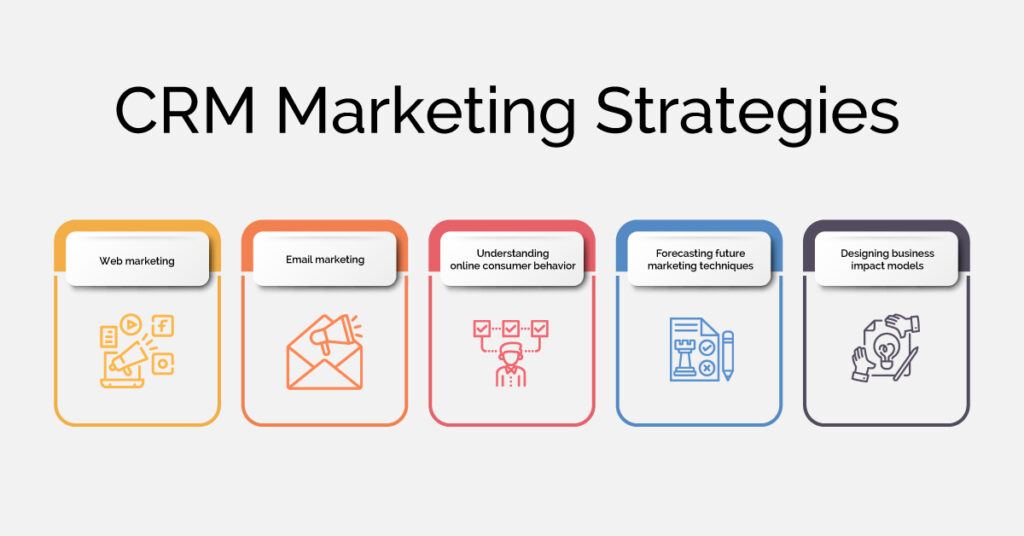
- Enhanced Marketing Effectiveness: CRM provides valuable insights into customer behavior, allowing businesses to create targeted marketing campaigns that resonate with their audience.
- Streamlined Operations: CRM automates tasks such as data entry and report generation, freeing up valuable time and resources for other critical business activities.
- Data-Driven Decision Making: CRM provides real-time data and analytics, enabling businesses to make informed decisions about their sales, marketing, and customer service strategies.
In the competitive Indonesian market, these advantages can be the difference between success and failure. CRM empowers small businesses to compete with larger companies by providing the tools and insights they need to succeed.
Key Features to Look for in a Small Business CRM
Not all CRM systems are created equal. When choosing a CRM for your Indonesian small business, it’s essential to consider the features that will best meet your specific needs. Here are some key features to prioritize:
Contact Management
This is the foundation of any CRM. Look for a system that allows you to:
- Store and organize contact information, including names, addresses, phone numbers, email addresses, and social media profiles.
- Segment contacts based on various criteria, such as demographics, purchase history, and engagement level.
- Track interactions with contacts, including emails, calls, and meetings.
Sales Automation
Sales automation features can significantly improve sales efficiency. Key features include:
- Lead management: Capture, track, and qualify leads.
- Sales pipeline management: Visualize and manage the sales process from lead to close.
- Task automation: Automate repetitive tasks such as sending emails and scheduling follow-up calls.
- Sales reporting: Generate reports on sales performance, including revenue, deals closed, and sales cycle length.
Marketing Automation
Marketing automation tools help you nurture leads and engage with customers. Look for features such as:
- Email marketing: Create and send targeted email campaigns.
- Marketing automation workflows: Automate marketing tasks based on customer behavior.
- Lead scoring: Prioritize leads based on their engagement and likelihood to convert.
Customer Service & Support
Providing excellent customer service is crucial for building customer loyalty. Features to consider include:
- Help desk: Manage customer inquiries and support tickets.
- Knowledge base: Create a library of articles and FAQs to help customers find answers to their questions.
- Live chat: Provide real-time support to website visitors.
Reporting and Analytics
Data is king. Look for a CRM that provides robust reporting and analytics capabilities, including:
- Sales reports: Track key sales metrics, such as revenue, sales volume, and conversion rates.
- Marketing reports: Analyze the performance of marketing campaigns.
- Customer service reports: Monitor customer satisfaction and support performance.
Mobile Access
In today’s fast-paced world, mobile access is essential. Choose a CRM that offers a mobile app or a mobile-friendly interface, allowing you to access your data and manage your business on the go.
Integration Capabilities
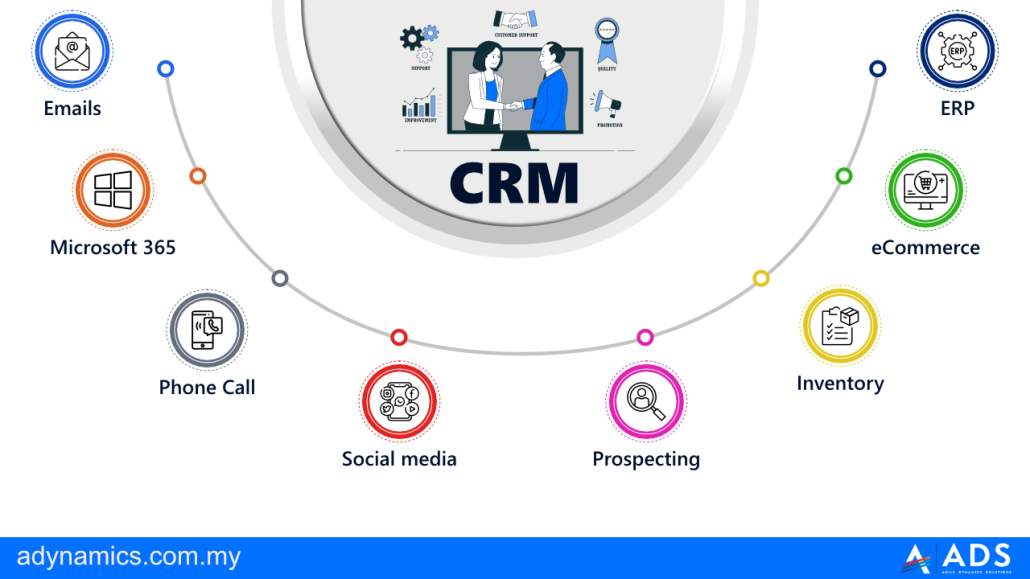
Ensure that the CRM integrates with other tools and platforms that you use, such as email marketing software, accounting software, and social media platforms. This will streamline your workflows and eliminate the need for manual data entry.
Customization Options
Your business is unique, so your CRM should be customizable to meet your specific needs. Look for a system that allows you to customize fields, workflows, and reports.
Top CRM Providers for Indonesian Small Businesses
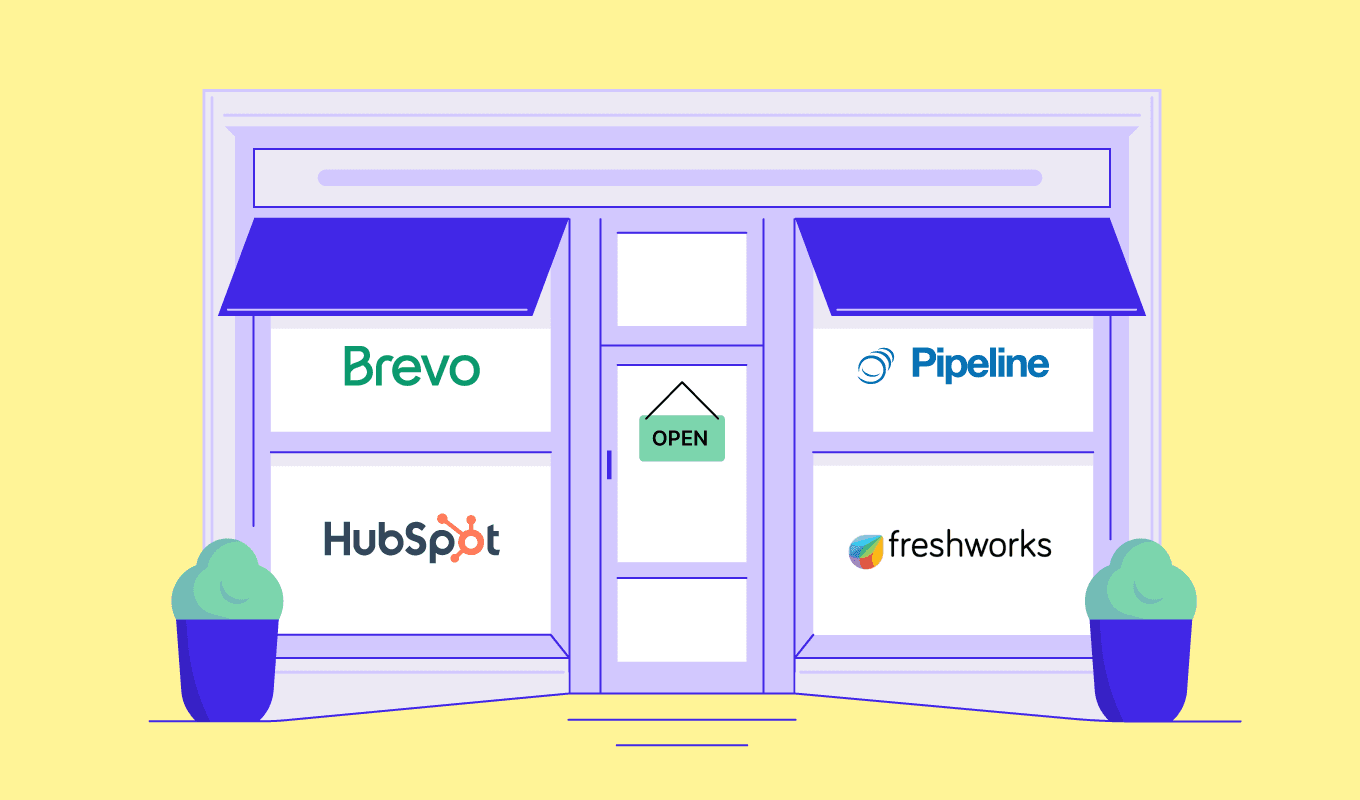
The Indonesian market offers a wide range of CRM solutions. Here are some of the leading providers that cater to small businesses:
Zoho CRM
Zoho CRM is a popular choice for small businesses worldwide, and it’s also well-suited for the Indonesian market. It offers a comprehensive suite of features, including contact management, sales automation, marketing automation, and customer service tools. Zoho CRM is known for its user-friendly interface, affordable pricing, and strong integration capabilities. It also offers excellent customer support in Bahasa Indonesia.
HubSpot CRM
HubSpot CRM is a free CRM platform that’s ideal for startups and small businesses. It offers a wide range of features, including contact management, sales pipeline management, and email marketing tools. HubSpot CRM is easy to use and integrates seamlessly with other HubSpot products, such as marketing and sales hubs. While the free version is robust, HubSpot also offers paid plans with more advanced features.
Pipedrive
Pipedrive is a sales-focused CRM that’s designed to help sales teams close more deals. It offers a visual sales pipeline, automated workflows, and sales reporting tools. Pipedrive is known for its ease of use and its focus on sales productivity. It’s a great option for businesses that prioritize sales performance.
Freshsales
Freshsales, from Freshworks, is another popular option for Indonesian businesses. It combines sales and marketing automation features with built-in phone and email capabilities. Freshsales is known for its modern interface, intuitive design, and affordable pricing. It’s a good choice for businesses that want a comprehensive CRM solution at a reasonable price.
Insightly
Insightly is a CRM platform that’s designed to help businesses manage their relationships and projects. It offers contact management, sales automation, project management, and reporting features. Insightly is a good choice for businesses that need a CRM that can handle both customer relationship management and project management tasks.
Other Options
Beyond the above-mentioned providers, there are other CRM solutions to consider, such as:
- Salesforce Sales Cloud: While a larger enterprise solution, Salesforce offers scalable options that can be configured for smaller businesses.
- Bitrix24: Provides a comprehensive suite of tools, including CRM, project management, and communication features, with a free plan for very small teams.
When selecting a CRM, it’s crucial to compare different providers and choose the one that best aligns with your business’s specific needs and budget.
Choosing the Right CRM for Your Indonesian Small Business
Selecting the right CRM is a critical decision that can significantly impact your business’s success. Here’s a step-by-step guide to help you choose the perfect CRM solution:
1. Define Your Needs and Goals
Before you start evaluating CRM systems, take the time to define your specific needs and goals. What are your business objectives? What are the key challenges you’re facing? What features are essential for your business? Consider the following questions:
- What are your current sales, marketing, and customer service processes?
- What are your pain points? Where are you losing time or money?
- What features do you need to improve your efficiency?
- What are your budget and technical capabilities?
- What are your long-term business goals?
Answering these questions will help you create a clear picture of your CRM requirements.
2. Research and Compare CRM Providers
Once you’ve defined your needs, research different CRM providers. Read online reviews, compare features, and consider the pricing plans. Make a shortlist of the providers that seem to be the best fit for your business.
Consider the following factors when comparing providers:
- Features: Does the CRM offer the features you need?
- Ease of Use: Is the CRM easy to learn and use?
- Pricing: Does the pricing fit your budget?
- Integrations: Does the CRM integrate with your existing tools?
- Customer Support: Does the provider offer adequate customer support in Bahasa Indonesia or English?
- Scalability: Can the CRM scale with your business as it grows?
3. Request Demos and Free Trials
Most CRM providers offer demos or free trials. Take advantage of these opportunities to try out the CRM and see if it’s a good fit for your business. During the demo or trial, pay attention to the user interface, the ease of use, and the features that are most important to you.
4. Consider Implementation and Training
Implementing a CRM can be a complex process. Consider the implementation process and whether the provider offers any assistance with implementation. Also, consider the training resources available to help you and your team learn how to use the CRM effectively.
5. Evaluate the Cost
CRM pricing varies widely. Consider the initial setup costs, the ongoing subscription fees, and any additional costs, such as training or customization. Make sure the total cost of ownership fits your budget.
6. Choose the Right Plan
CRM providers often offer different pricing plans with varying features. Choose the plan that best meets your needs and budget. Start with a plan that has the core features you need and upgrade as your business grows.
7. Implementation and Training
Once you’ve selected a CRM, it’s time to implement it. Work with the provider to set up your account, import your data, and customize the system to meet your needs. Provide training to your team to ensure they know how to use the CRM effectively.
8. Ongoing Optimization and Support
CRM implementation is not a one-time task. Continuously monitor your CRM usage, identify areas for improvement, and optimize your workflows. Seek ongoing support from the provider to ensure you get the most out of your CRM investment.
The Benefits of CRM for Indonesian Small Businesses: A Deeper Dive
Beyond the core features, CRM offers a multitude of benefits that can propel Indonesian small businesses to new heights. Let’s explore some of these in more detail:
Enhanced Customer Loyalty
In a market where customer loyalty is paramount, CRM empowers businesses to foster stronger relationships. By personalizing interactions and providing exceptional service, CRM helps businesses retain existing customers and turn them into brand advocates. Loyal customers are more likely to make repeat purchases, refer new customers, and provide valuable feedback.
Improved Sales Team Productivity
CRM streamlines the sales process, freeing up sales representatives to focus on what they do best: selling. By automating repetitive tasks, such as data entry and follow-up emails, CRM allows sales teams to spend more time building relationships with potential customers and closing deals. This increased efficiency translates into higher sales and revenue.
Better Marketing ROI
CRM provides valuable insights into customer behavior, allowing businesses to create targeted marketing campaigns that are more likely to convert. By segmenting customers based on demographics, purchase history, and engagement level, businesses can deliver personalized messages that resonate with their audience. This results in higher click-through rates, conversion rates, and ultimately, a better return on investment (ROI) for marketing efforts.
Increased Efficiency and Reduced Costs
CRM automates many of the manual tasks associated with managing customer relationships, such as data entry, report generation, and task management. This frees up valuable time and resources, allowing businesses to operate more efficiently and reduce costs. By automating processes, businesses can streamline their operations and improve their bottom line.
Data Security and Compliance
Reputable CRM providers prioritize data security and compliance. They implement robust security measures to protect customer data from unauthorized access and cyber threats. This is particularly important for businesses that handle sensitive customer information. CRM systems often comply with data privacy regulations, such as GDPR (General Data Protection Regulation), which helps businesses protect customer data and avoid legal penalties.
Competitive Advantage
In the competitive Indonesian market, CRM can provide a significant competitive advantage. By providing better customer service, increasing sales, and streamlining operations, businesses can differentiate themselves from their competitors and gain a larger market share. CRM empowers small businesses to compete with larger companies by providing the tools and insights they need to succeed.
Overcoming Challenges in CRM Implementation for Indonesian Small Businesses
While CRM offers significant benefits, implementing a CRM system can present challenges. Here are some common challenges and how to overcome them:
Data Migration
Migrating data from existing systems to a new CRM can be a complex process. It’s crucial to plan the data migration carefully and ensure that all data is transferred accurately and completely. Consider using data migration tools or hiring a consultant to help with the process. Ensure data is cleaned and formatted correctly prior to import.
User Adoption
Getting employees to adopt a new CRM system can be challenging. It’s important to provide adequate training and support to ensure that employees understand how to use the system effectively. Communicate the benefits of CRM to employees and involve them in the implementation process. Provide ongoing support and encouragement to help employees embrace the new system.
Customization and Integration
Customizing the CRM to meet your specific needs and integrating it with other systems can be complex. Work with the CRM provider or a consultant to ensure that the system is customized and integrated correctly. Carefully plan the customization and integration process to avoid any disruptions to your business operations.
Cost Management
The cost of CRM can be a concern for small businesses. Carefully evaluate the pricing plans offered by different providers and choose the plan that best fits your budget. Consider the total cost of ownership, including the initial setup costs, the ongoing subscription fees, and any additional costs, such as training or customization. Explore free or low-cost CRM options to begin.
Lack of Technical Expertise
Some small businesses may lack the technical expertise needed to implement and manage a CRM system. Consider hiring a consultant or partnering with a CRM provider that offers implementation and support services. Choose a CRM that is user-friendly and easy to use.
The Future of CRM in Indonesia
The future of CRM in Indonesia is bright. As the Indonesian economy continues to grow and businesses become more sophisticated, the demand for CRM solutions will only increase. Here are some trends to watch:
- Increased adoption of cloud-based CRM: Cloud-based CRM systems are becoming increasingly popular due to their affordability, ease of use, and scalability.
- Integration of artificial intelligence (AI): AI is being used to automate tasks, personalize customer interactions, and provide insights into customer behavior.
- Focus on mobile CRM: Mobile CRM solutions are becoming increasingly important as businesses become more mobile.
- Emphasis on data privacy and security: Data privacy and security are becoming increasingly important, and CRM providers are investing in robust security measures to protect customer data.
- Growing demand for industry-specific CRM solutions: Businesses are seeking CRM solutions that are tailored to their specific industry needs.
Indonesian small businesses that embrace CRM and stay ahead of these trends will be well-positioned to succeed in the future.
Conclusion: Embracing CRM for Indonesian Small Business Success
In the dynamic Indonesian business landscape, a CRM system is no longer a luxury, but a strategic imperative. By choosing the right CRM solution, Indonesian small businesses can cultivate stronger customer relationships, boost sales, streamline operations, and drive sustainable growth. This guide has provided a comprehensive overview of CRM, from the core features to the leading providers in the Indonesian market.
By following the steps outlined in this guide, Indonesian small businesses can confidently navigate the process of selecting, implementing, and optimizing a CRM system. Embrace the power of CRM, and unlock the potential for remarkable success in the Indonesian market. The journey to customer-centricity and business growth starts now.