Seamless Success: Mastering CRM Integration with Mavenlink for Project Triumph

Introduction: The Power of Connected Systems
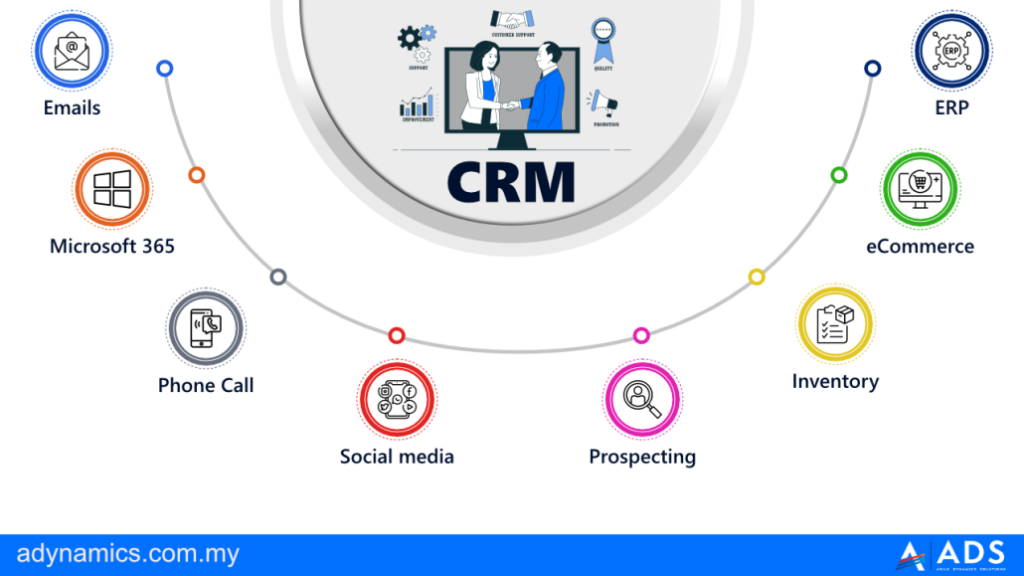
In the dynamic world of project management and client relationships, the ability to seamlessly connect different systems is no longer a luxury—it’s a necessity. Imagine a world where your customer relationship management (CRM) system and your project management software work in perfect harmony, sharing data, automating tasks, and providing a unified view of your entire operation. This is the promise of CRM integration, and when paired with a powerful platform like Mavenlink, the potential for success is amplified exponentially. This article delves deep into the intricacies of CRM integration with Mavenlink, providing a comprehensive guide to understanding the benefits, navigating the implementation process, and ultimately, achieving project triumph.
Let’s face it: managing both client relationships and project execution can be a juggling act. You’re constantly switching between platforms, manually transferring data, and trying to piece together a complete picture of your projects and clients. This fragmented approach leads to inefficiencies, errors, and missed opportunities. CRM integration with Mavenlink solves this problem by creating a centralized hub where all your critical information resides. This integration allows you to streamline your workflows, improve communication, and make data-driven decisions that propel your business forward.
Understanding the Basics: CRM and Mavenlink
Before diving into the integration process, it’s essential to understand the core functionalities of both CRM and Mavenlink. Your CRM system serves as the central repository for all your client-related data. It tracks interactions, manages leads, stores contact information, and provides valuable insights into your customer base. Popular CRM platforms include Salesforce, HubSpot, Zoho CRM, and many others. The primary goal of a CRM is to enhance customer relationships, improve sales processes, and ultimately, drive revenue.
Mavenlink, on the other hand, is a robust project management platform designed to help businesses plan, execute, and monitor projects effectively. It offers features such as project planning, resource management, time tracking, expense tracking, and financial reporting. Mavenlink empowers project teams to collaborate efficiently, stay organized, and deliver projects on time and within budget. It’s essentially the engine that drives your project execution, ensuring that your plans translate into tangible results.
The Benefits of CRM Integration with Mavenlink: A Symphony of Efficiency
The synergy created by integrating your CRM with Mavenlink is nothing short of transformative. It’s like adding a turbocharger to your business engine, enabling you to achieve more with less effort. Here’s a closer look at the key benefits:
- Enhanced Data Accuracy: Eliminate manual data entry and reduce the risk of errors. Information flows seamlessly between your CRM and Mavenlink, ensuring that both systems are always up-to-date with the latest information.
- Improved Efficiency: Automate repetitive tasks, such as creating projects in Mavenlink when a deal is won in your CRM. This frees up your team to focus on more strategic initiatives.
- Streamlined Workflows: Create a more streamlined and efficient workflow by connecting your sales, project management, and finance teams. This improves communication and collaboration across departments.
- Better Collaboration: Empower your teams with a unified view of the client. Project managers can access client information directly from Mavenlink, while sales teams can monitor project progress and identify opportunities for upselling or cross-selling.
- Increased Visibility: Gain a 360-degree view of your clients and projects. Track the entire customer lifecycle, from initial contact to project completion, all in one place.
- Data-Driven Decision Making: Leverage the combined data from your CRM and Mavenlink to make more informed decisions. Analyze project performance, identify trends, and optimize your processes for maximum impact.
- Improved Client Satisfaction: Provide your clients with a more seamless and personalized experience. Keep them informed about project progress and proactively address any concerns.
Choosing the Right CRM for Mavenlink Integration: A Match Made in Tech Heaven
The choice of CRM platform is crucial for successful integration with Mavenlink. While Mavenlink offers native integrations with some of the leading CRM providers, there are also third-party tools that can facilitate the connection. Consider the following factors when selecting your CRM:
- Native Integration: Does the CRM platform offer a native integration with Mavenlink? Native integrations typically provide the most seamless and robust connection, with pre-built features and functionalities.
- Features and Functionality: Does the CRM offer the features and functionalities that meet your specific business needs? Consider factors such as contact management, sales automation, reporting, and analytics.
- Ease of Use: Is the CRM user-friendly and easy to navigate? A complex CRM can be a burden on your team, hindering adoption and reducing productivity.
- Scalability: Can the CRM scale with your business? Choose a platform that can accommodate your growing needs and evolving requirements.
- Cost: Consider the cost of the CRM platform, including licensing fees, implementation costs, and ongoing maintenance expenses.
- Reviews and Reputation: Research the CRM platform’s reviews and reputation. Read online reviews, testimonials, and case studies to get a sense of its strengths and weaknesses.
Some of the most popular CRM platforms that integrate well with Mavenlink include Salesforce, HubSpot, and Zoho CRM. Each platform offers unique strengths and weaknesses, so it’s essential to evaluate your specific needs and choose the CRM that best aligns with your business goals.
The Implementation Process: A Step-by-Step Guide
Implementing CRM integration with Mavenlink requires careful planning and execution. Here’s a step-by-step guide to help you navigate the process:
- Define Your Goals and Objectives: Before you begin, clearly define your goals and objectives for the integration. What do you hope to achieve? What specific data points do you want to share between your CRM and Mavenlink?
- Choose Your Integration Method: Determine the best integration method for your needs. This may involve using a native integration, a third-party integration tool, or developing a custom integration.
- Choose your Integration Method: Determine the best integration method for your needs. This might involve utilizing a built-in integration, a third-party integration tool, or crafting a custom integration.
- Map Your Data Fields: Identify the data fields that you want to synchronize between your CRM and Mavenlink. Map these fields to ensure that the data is transferred accurately and consistently.
- Configure Your Integration: Configure the integration settings, including authentication credentials, data mapping rules, and synchronization schedules.
- Test Your Integration: Thoroughly test your integration to ensure that data is flowing correctly and that all functionalities are working as expected.
- Train Your Team: Provide training to your team on how to use the integrated systems. Ensure that they understand how to access and utilize the shared data.
- Monitor and Optimize: Continuously monitor your integration to identify any issues or areas for improvement. Optimize your settings to ensure that the integration is performing at its best.
Native Integrations vs. Third-Party Tools: Weighing Your Options
When it comes to CRM integration with Mavenlink, you have two primary options: native integrations and third-party integration tools. Each approach offers its own set of advantages and disadvantages.
- Native Integrations: Native integrations are pre-built integrations that are developed and maintained by the CRM or Mavenlink providers. They typically offer the most seamless and robust connection, with pre-built features and functionalities. Native integrations are often easier to set up and configure, and they typically require less technical expertise. However, they may be limited in terms of customization options.
- Third-Party Integration Tools: Third-party integration tools, such as Zapier or Workato, provide a more flexible and customizable approach to integration. These tools allow you to connect a wide range of applications, including your CRM and Mavenlink. Third-party tools offer greater control over data mapping and synchronization rules, but they may require more technical expertise to set up and maintain.
The best choice for your business depends on your specific needs and technical capabilities. If you’re looking for a simple and straightforward solution, a native integration may be the best option. If you require more customization and flexibility, a third-party integration tool may be a better fit.
Data Synchronization: The Lifeblood of Integration
Data synchronization is the process of automatically exchanging data between your CRM and Mavenlink. This ensures that both systems are always up-to-date with the latest information. The frequency and direction of data synchronization are critical aspects of the integration. You’ll need to define which data points should be synchronized, and whether the synchronization should be one-way (e.g., from CRM to Mavenlink) or two-way (e.g., both ways).
Here are some of the key data points that you might want to synchronize:
- Contact Information: Synchronize contact information, such as names, email addresses, phone numbers, and job titles.
- Account Information: Synchronize account information, such as company names, addresses, and industry.
- Deals and Opportunities: Synchronize deal and opportunity information, such as deal stages, estimated revenue, and closing dates.
- Projects and Tasks: Synchronize project and task information, such as project names, deadlines, and assigned resources.
- Time Tracking Data: Synchronize time tracking data, such as hours worked on projects and tasks.
- Financial Data: Synchronize financial data, such as invoices, payments, and expenses.
The specific data points that you choose to synchronize will depend on your business needs and the capabilities of your CRM and Mavenlink platforms. Careful planning is essential to ensure that the data synchronization process is accurate, reliable, and efficient.
Best Practices for Successful CRM Integration with Mavenlink
To maximize the benefits of CRM integration with Mavenlink, it’s essential to follow best practices. Here are some tips to help you achieve success:
- Start with a Clear Plan: Before you begin, develop a clear plan that outlines your goals, objectives, and implementation strategy.
- Involve Stakeholders: Involve all stakeholders, including sales, project management, and finance teams, in the planning and implementation process.
- Keep it Simple: Start with a basic integration and gradually add more features and functionalities as needed.
- Test Thoroughly: Thoroughly test your integration before deploying it to your entire team.
- Train Your Team: Provide comprehensive training to your team on how to use the integrated systems.
- Monitor and Maintain: Continuously monitor your integration and make adjustments as needed.
- Document Everything: Document your integration process, including your goals, objectives, configuration settings, and training materials.
- Prioritize Data Quality: Ensure that your data is clean, accurate, and consistent.
- Automate as Much as Possible: Automate repetitive tasks to improve efficiency and reduce the risk of errors.
- Seek Expert Help: Don’t hesitate to seek help from a CRM or Mavenlink expert if you need assistance.
Addressing Common Challenges: Navigating the Roadblocks
While CRM integration with Mavenlink offers significant benefits, it’s important to be aware of the potential challenges and how to overcome them.
- Data Mapping Issues: Ensure that you accurately map data fields between your CRM and Mavenlink to avoid data inconsistencies.
- Synchronization Errors: Monitor your synchronization process for errors and troubleshoot them promptly.
- User Adoption: Encourage user adoption by providing adequate training and support.
- Security Concerns: Implement robust security measures to protect your sensitive data.
- Integration Complexity: If you’re using a complex integration, consider seeking help from an expert.
- Data Duplication: Prevent data duplication by carefully mapping your data fields and defining clear synchronization rules.
- Lack of Communication: Maintain clear communication between your sales, project management, and finance teams.
By proactively addressing these potential challenges, you can minimize the risks and maximize the chances of a successful integration.
Measuring Success: KPIs and Metrics to Track
To ensure that your CRM integration with Mavenlink is delivering the desired results, it’s essential to track key performance indicators (KPIs) and metrics. Here are some examples:
- Sales Cycle Time: Track the average time it takes to close a deal.
- Conversion Rates: Monitor your lead-to-opportunity and opportunity-to-deal conversion rates.
- Project Delivery Time: Track the average time it takes to complete a project.
- Project Profitability: Measure the profitability of your projects.
- Client Satisfaction: Track client satisfaction through surveys and feedback.
- Data Accuracy: Monitor the accuracy of your data.
- User Adoption: Track the level of user adoption of the integrated systems.
By tracking these KPIs and metrics, you can assess the effectiveness of your integration and identify areas for improvement. Regularly analyze your data and make adjustments to your processes as needed.
The Future of CRM and Project Management: Integration Trends
The integration of CRM and project management systems is constantly evolving, with new trends and technologies emerging. Here are some trends to watch:
- Artificial Intelligence (AI): AI is being used to automate tasks, provide insights, and improve decision-making.
- Machine Learning (ML): ML is being used to predict customer behavior, optimize project performance, and automate workflows.
- Mobile Integration: Mobile integration is becoming increasingly important, allowing teams to access data and collaborate from anywhere.
- Personalized Experiences: Businesses are focusing on providing personalized experiences to their clients.
- Integration with Other Tools: Companies are integrating their CRM and project management systems with other tools, such as marketing automation platforms and customer service software.
By staying informed about these trends, you can ensure that your CRM integration with Mavenlink remains cutting-edge and continues to drive business success.
Conclusion: Embracing the Power of Connected Systems
CRM integration with Mavenlink is a powerful strategy for businesses seeking to enhance their client relationships, streamline their project execution, and drive sustainable growth. By understanding the benefits, carefully planning your implementation, and embracing best practices, you can unlock the full potential of this integrated approach. The ability to seamlessly connect your CRM and project management systems is no longer a futuristic concept—it’s a present-day reality that can transform your business. Embrace the power of connected systems and embark on a journey towards project triumph and lasting client success. The future of your business is in your hands, and with the right integration strategy, the possibilities are limitless.
Remember, the key to success lies in careful planning, diligent execution, and a commitment to continuous improvement. By following the guidance provided in this article, you’ll be well-equipped to integrate your CRM with Mavenlink and achieve remarkable results. So, take the first step, connect your systems, and watch your business thrive!