Seamlessly Connecting: CRM Integration with Easy Projects for Enhanced Project Management

Introduction: The Power of Integration in Project Management
In the fast-paced world of business, efficiency and collaboration are paramount. Businesses are constantly seeking ways to streamline their operations, improve communication, and ultimately, boost their bottom line. One of the most effective strategies for achieving these goals is through the integration of different software systems. This is where the synergy between Customer Relationship Management (CRM) systems and project management tools like Easy Projects comes into play. The integration of CRM with Easy Projects offers a powerful solution for businesses looking to enhance their project management capabilities, improve customer relationships, and drive overall business success.
This article delves into the intricacies of CRM integration with Easy Projects, exploring the benefits, implementation strategies, and real-world examples. We’ll examine how this integration can transform your business, leading to increased productivity, improved customer satisfaction, and a more streamlined workflow. Get ready to discover how to harness the combined power of CRM and Easy Projects to take your project management to the next level.
Understanding CRM and Easy Projects
What is CRM?
Customer Relationship Management (CRM) is a technology and strategy for managing all your company’s relationships and interactions with customers and potential customers. The goal is simple: improve business relationships. A CRM system helps companies stay connected to customers, streamline processes, and improve profitability. When people talk about CRM, they’re usually referring to a CRM system – a tool that helps with contact management, sales management, productivity, and more.
Key features of a CRM system include:
- Contact Management: Storing and organizing customer information, including contact details, communication history, and interactions.
- Sales Automation: Automating sales processes, such as lead generation, opportunity management, and quote creation.
- Marketing Automation: Managing marketing campaigns, tracking leads, and nurturing customer relationships.
- Customer Service: Providing customer support, tracking issues, and managing customer feedback.
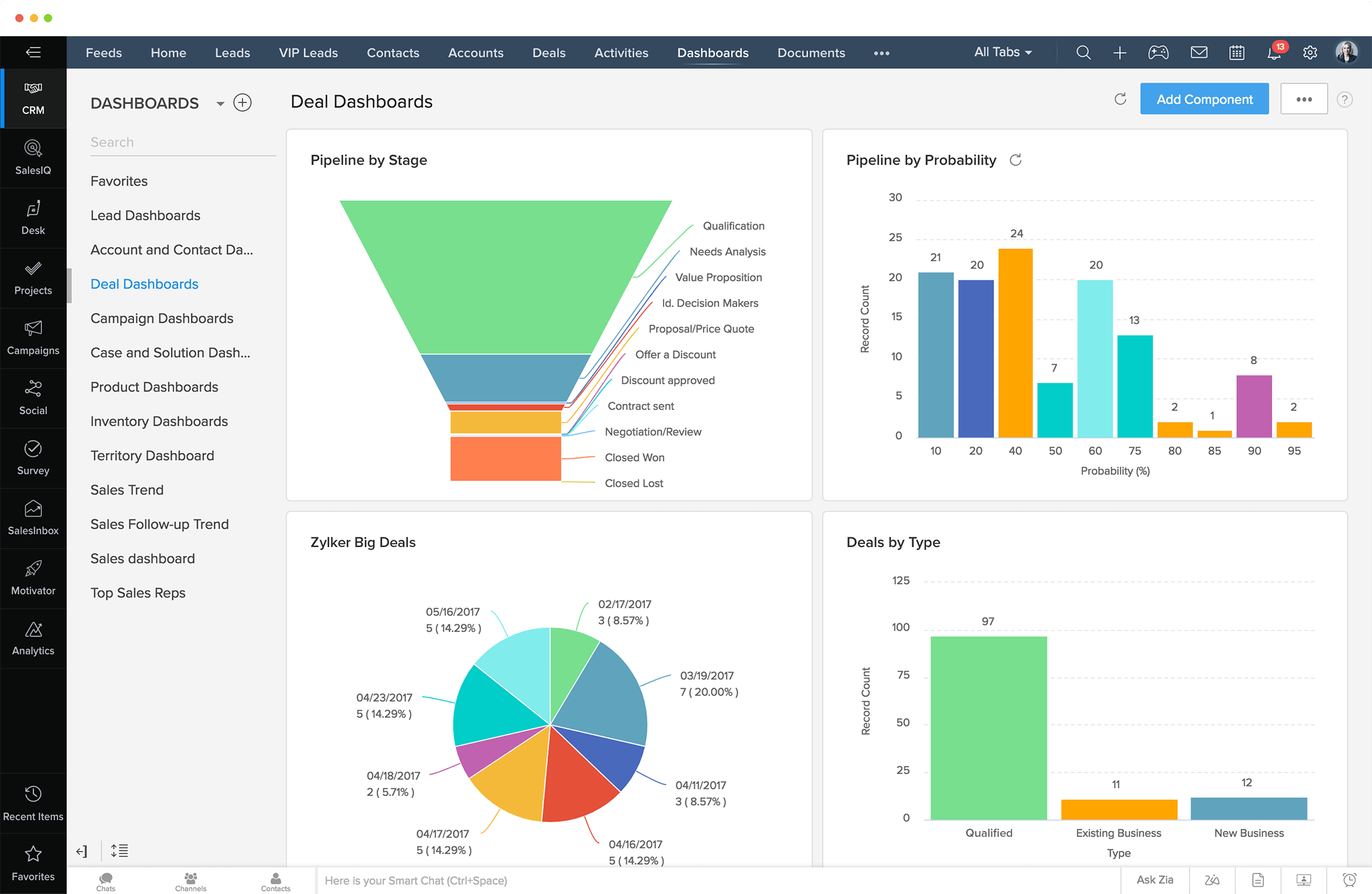
- Reporting and Analytics: Analyzing customer data, generating reports, and tracking key performance indicators (KPIs).
Popular CRM software options include Salesforce, HubSpot, Zoho CRM, Microsoft Dynamics 365, and Pipedrive.
What is Easy Projects?
Easy Projects is a project management software designed to help businesses plan, track, and manage projects effectively. It provides a centralized platform for project teams to collaborate, share information, and stay on track. Easy Projects is known for its user-friendly interface, robust features, and customizable options. It empowers project managers to stay organized, manage resources efficiently, and deliver projects on time and within budget.
Key features of Easy Projects include:
- Project Planning: Creating project plans, defining tasks, setting deadlines, and allocating resources.
- Task Management: Assigning tasks, tracking progress, and managing task dependencies.
- Resource Management: Managing resources, allocating workload, and tracking resource utilization.
- Collaboration: Facilitating communication and collaboration among team members through shared workspaces, file sharing, and discussion forums.
- Reporting and Analytics: Generating reports, tracking project progress, and analyzing project performance.
- Time Tracking: Allows teams to track the time spent on each task.
Easy Projects is used by a wide range of industries, including IT, marketing, construction, and professional services.
The Benefits of CRM Integration with Easy Projects
Integrating your CRM system with Easy Projects offers a wealth of benefits that can significantly improve your business operations. By connecting these two powerful tools, you can create a more streamlined workflow, improve communication, and gain valuable insights into your projects and customer relationships.
Improved Data Accuracy and Consistency
One of the primary advantages of CRM integration is the elimination of data silos. When information is stored in multiple systems, there’s always a risk of inconsistencies and errors. Integrating CRM with Easy Projects ensures that customer data, project information, and other relevant details are synchronized across both platforms. This reduces the likelihood of human error, improves data accuracy, and provides a single source of truth for your business.
Enhanced Collaboration and Communication
Integration facilitates better collaboration between sales, marketing, and project teams. With access to the same information, team members can work together more effectively, share insights, and make informed decisions. For example, sales teams can easily view project progress, while project managers can access customer information to better understand their needs and expectations. This streamlined communication leads to improved project outcomes and stronger customer relationships.
Increased Efficiency and Productivity
Automation is a key benefit of CRM integration. By automating tasks and workflows, you can free up valuable time for your team members to focus on more strategic activities. For instance, when a new lead is created in your CRM, the integration can automatically trigger the creation of a new project in Easy Projects. This eliminates manual data entry, reduces the risk of errors, and accelerates the project initiation process. This results in increased efficiency and higher productivity across the organization.
Improved Customer Satisfaction
By providing a 360-degree view of your customers, CRM integration helps you understand their needs and preferences better. Project teams can access customer information within Easy Projects, enabling them to tailor their approach and deliver projects that meet or exceed customer expectations. This leads to increased customer satisfaction, improved customer loyalty, and positive word-of-mouth referrals. Happy customers are the lifeblood of any successful business.
Better Project Management
Integration allows project managers to access customer data directly within Easy Projects. This can help you better understand the scope of the project, define requirements more accurately, and manage customer expectations more effectively. Project managers can also use customer data to prioritize tasks, allocate resources, and track project progress. This results in improved project outcomes, reduced project risks, and increased profitability.
Streamlined Sales and Project Hand-offs
Integrating CRM with Easy Projects streamlines the transition from sales to project execution. When a deal is closed in the CRM, the integration can automatically create a new project in Easy Projects, pre-populate it with relevant customer information, and assign it to the appropriate project team. This eliminates the need for manual data transfer, reduces the risk of errors, and ensures a smooth hand-off process. This is particularly important in industries where customer projects are complex and require a coordinated effort between sales and project teams.
How to Integrate CRM with Easy Projects
Integrating your CRM system with Easy Projects can be a straightforward process, depending on the specific CRM and the integration method you choose. Here’s a breakdown of the common approaches:
Native Integrations
Some CRM systems and Easy Projects offer pre-built, native integrations. These integrations are typically the easiest to set up and maintain, as they are designed to work seamlessly together. They often include features such as data synchronization, automated workflows, and customizable dashboards. Check if your CRM and Easy Projects offer native integrations, as this is usually the quickest and simplest option.
API Integrations
If there’s no native integration available, you can use Application Programming Interfaces (APIs) to connect your CRM and Easy Projects. APIs allow different software systems to communicate and exchange data. This method requires some technical expertise, but it offers a high degree of flexibility and customization. You’ll need to work with your IT team or a third-party integration specialist to develop and implement the API integration. This is usually more technical, but offers the greatest degree of customization.
Third-Party Integration Platforms
Several third-party integration platforms, such as Zapier, Integromat (now Make), and Tray.io, provide pre-built connectors and workflows that can be used to integrate CRM and Easy Projects. These platforms offer a user-friendly interface and require minimal coding, making them a good option for businesses with limited technical resources. They often support a wide range of CRM systems and project management tools, making it easy to connect your two systems. These platforms simplify the integration process, offering a balance between ease of use and flexibility.
Custom Integrations
For highly customized integrations, you may need to develop a custom solution. This involves writing code to connect your CRM and Easy Projects. This option requires the most technical expertise and is typically used by businesses with complex integration needs. This approach offers the highest level of control, but also the highest cost and complexity.
Steps for Integrating
- Identify Your Needs: Determine the specific data and workflows you want to integrate.
- Choose an Integration Method: Select the integration method that best suits your needs and technical capabilities.
- Set Up the Integration: Follow the instructions provided by your chosen integration method.
- Test the Integration: Thoroughly test the integration to ensure that data is synchronized correctly and that workflows are functioning as expected.
- Monitor and Maintain the Integration: Regularly monitor the integration to ensure that it continues to function properly.
Real-World Examples of CRM Integration with Easy Projects
Let’s look at some examples of how businesses are successfully using CRM integration with Easy Projects:
Example 1: Marketing Agency
A marketing agency uses Salesforce as its CRM and Easy Projects for project management. When a new client is added in Salesforce, the integration automatically creates a new project in Easy Projects with the client’s information, project scope, and deadlines. Project managers can then access the client’s contact information, communication history, and sales data within Easy Projects, enabling them to provide better service and manage projects more effectively. This streamlined the onboarding process and improved client satisfaction.
Example 2: Construction Company
A construction company uses HubSpot as its CRM and Easy Projects for managing construction projects. When a sales representative closes a deal in HubSpot, the integration automatically creates a new project in Easy Projects, including all relevant project details, such as the construction site address, project budget, and contact information. Project managers can then access customer data and project information within Easy Projects, enabling them to manage projects efficiently and keep clients informed of project progress. This reduced manual data entry and improved communication between sales and project teams.
Example 3: Software Development Company
A software development company uses Zoho CRM and Easy Projects to manage its projects. When a new sales opportunity is created in Zoho CRM, the integration automatically creates a new project in Easy Projects, including the project scope, budget, and deadlines. The project manager can access the customer’s contact information and the sales data directly within Easy Projects, which facilitates the coordination between the sales and development teams. This resulted in more accurate project estimates and a smoother transition from sales to project execution.
Best Practices for CRM Integration with Easy Projects
To ensure a successful CRM integration with Easy Projects, consider these best practices:
- Define Clear Goals: Before you start, define your integration goals and objectives.
- Choose the Right Integration Method: Select the integration method that best meets your needs.
- Map Data Fields: Ensure that data fields are mapped correctly between the two systems.
- Test Thoroughly: Test the integration thoroughly to ensure that data is synchronized correctly.
- Provide Training: Train your team on how to use the integrated systems.
- Monitor and Maintain: Regularly monitor the integration to ensure that it continues to function properly.
- Prioritize Data Security: Implement appropriate security measures to protect sensitive data.
- Start Small: Begin with a pilot project and gradually expand the integration.
- Document Everything: Document the integration process, including the steps taken and any issues encountered.
- Seek Expert Advice: If needed, seek the help of a CRM or project management expert.
Troubleshooting Common Issues
Even with careful planning, you may encounter some common issues during the integration process. Here are some troubleshooting tips:
- Data Synchronization Errors: Check the data field mappings and ensure that the data types are compatible.
- Workflow Issues: Verify that the workflows are configured correctly and that the triggers are working as expected.
- Connectivity Problems: Ensure that the CRM and Easy Projects are connected to the internet and that the integration platform is functioning properly.
- Permissions Issues: Check user permissions and ensure that users have the necessary access rights to both systems.
- Performance Issues: Optimize the integration settings to improve performance.
- Contact Support: If you encounter persistent problems, contact the support teams for your CRM, Easy Projects, or integration platform.
Conclusion: Embracing the Future of Project Management
CRM integration with Easy Projects is a powerful combination that can transform your business by enhancing project management, improving customer relationships, and driving overall efficiency. By connecting these two essential tools, you can create a more streamlined workflow, improve communication, and gain valuable insights into your projects and customer relationships. The benefits of this integration are clear: improved data accuracy, enhanced collaboration, increased efficiency, and ultimately, greater customer satisfaction and business success.
As businesses continue to seek ways to optimize their operations and stay competitive, the integration of CRM with project management tools will become increasingly important. By embracing this technology, you can position your business for success in today’s dynamic marketplace. Now is the time to explore the possibilities of CRM integration with Easy Projects and unlock the full potential of your project management capabilities. Take action today and see the positive impact this integration can have on your business.