In today’s fast-paced business environment, efficiency is king. Companies are constantly seeking ways to streamline operations, boost productivity, and make data-driven decisions. One powerful strategy to achieve this is through the seamless integration of Customer Relationship Management (CRM) systems with project management tools like Smartsheet. This article delves into the intricacies of CRM integration with Smartsheet, exploring its benefits, implementation strategies, and real-world examples. We’ll uncover how this powerful combination can transform your workflow and propel your business to new heights.
Understanding the Power of CRM and Smartsheet
Before diving into the integration process, let’s establish a clear understanding of each platform and their individual strengths.
What is a CRM?
A CRM system acts as the central nervous system of your customer interactions. It’s a software solution designed to manage and analyze customer interactions and data throughout the customer lifecycle, with the goal of improving business relationships with customers, assisting in customer retention, and driving sales growth. Key features often include contact management, sales automation, marketing automation, and customer service tools. Popular CRM platforms include Salesforce, HubSpot, Zoho CRM, and Microsoft Dynamics 365.
What is Smartsheet?
Smartsheet is a cloud-based work execution platform that empowers teams to plan, track, automate, and report on work. It combines the functionality of spreadsheets with project management features, making it a versatile tool for various applications. It enables users to create project plans, manage tasks, track progress, automate workflows, and collaborate with team members. Its flexibility and ease of use make it a popular choice for project managers, marketers, and other professionals.
The Synergy: Why Integrate?
Individually, both CRM and Smartsheet are valuable tools. However, when integrated, their combined power creates a synergistic effect, resulting in significantly enhanced efficiency and productivity. CRM provides the customer data and insights, while Smartsheet provides the framework for managing and executing the work related to those customers. The integration allows for automated data flow, eliminating manual data entry, reducing errors, and ensuring that everyone has access to the most up-to-date information.
Benefits of CRM Integration with Smartsheet
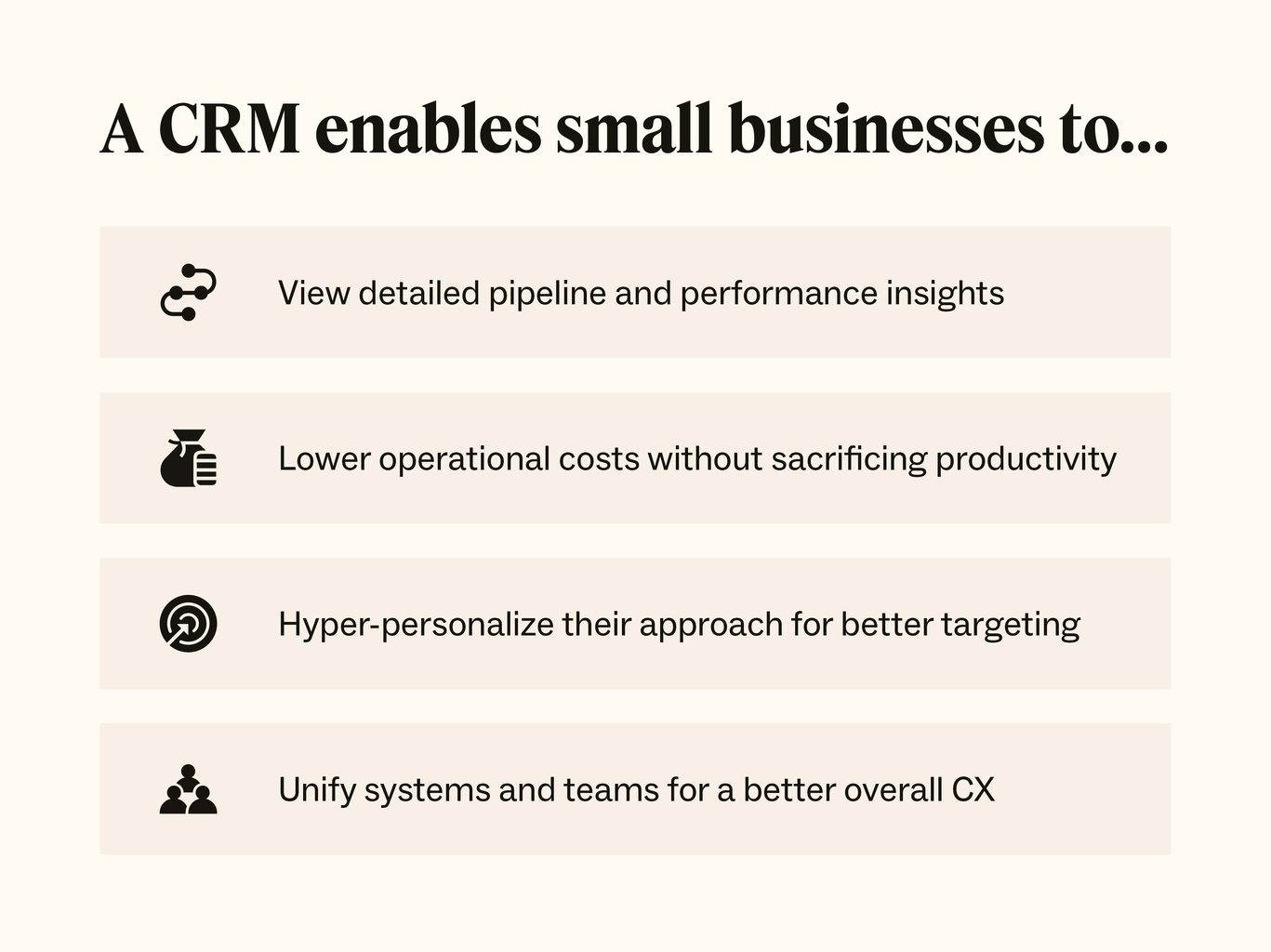
The benefits of integrating CRM with Smartsheet are numerous and far-reaching. Here are some of the key advantages:
- Improved Data Accuracy: Automated data transfer minimizes manual data entry, reducing the risk of errors and ensuring data consistency across both platforms.
- Enhanced Efficiency: Automating data synchronization eliminates the need to manually transfer information, saving time and effort.
- Increased Productivity: With data readily available and workflows automated, teams can focus on more strategic tasks, leading to increased productivity.
- Better Collaboration: Integrated data enables seamless collaboration between sales, marketing, and project teams. Everyone has access to the same information, fostering better communication and teamwork.
- Improved Decision-Making: Access to real-time data and comprehensive insights empowers informed decision-making.
- Streamlined Workflows: Automated workflows triggered by CRM events (e.g., a new lead) can initiate Smartsheet tasks, streamlining processes.
- Enhanced Customer Experience: By providing a holistic view of the customer, businesses can deliver more personalized and effective customer experiences.
Common Integration Scenarios
The possibilities for integrating CRM and Smartsheet are vast. Here are some common scenarios that demonstrate the versatility of this integration:
1. Lead Management
When a new lead is created in your CRM, the integration can automatically trigger the creation of a new project or task in Smartsheet. This could involve assigning tasks to the sales team, creating a follow-up schedule, or initiating a qualification process. This ensures that leads are followed up promptly and efficiently.
2. Opportunity Management
As opportunities progress through the sales pipeline in your CRM, the integration can automatically update project plans and task assignments in Smartsheet. This allows project teams to prepare for the delivery of services or products associated with a closed-won opportunity. For example, when a deal is closed, a project plan can be automatically created in Smartsheet with relevant tasks, timelines, and resource allocation.
3. Customer Onboarding
Upon a new customer acquisition in your CRM, the integration can initiate a customer onboarding project in Smartsheet. This project can include tasks like welcome emails, account setup, training sessions, and ongoing support. This ensures a smooth and positive onboarding experience for new customers.
4. Project Delivery
CRM data can be used to populate project plans in Smartsheet. For instance, customer details, project scope, and deadlines from the CRM can be automatically transferred to Smartsheet, providing a centralized location for project management. This also facilitates efficient communication regarding customer project updates.
5. Sales Forecasting and Reporting
Data from Smartsheet can be integrated back into the CRM to provide insights into project progress, resource allocation, and potential roadblocks. This can inform sales forecasting and reporting, providing a comprehensive view of the entire customer journey.
Implementing CRM Integration with Smartsheet: A Step-by-Step Guide
The process of integrating CRM with Smartsheet can vary depending on the chosen platforms and the complexity of the integration. However, here’s a general step-by-step guide:
1. Define Your Goals and Objectives
Before you begin, clearly define your goals and objectives for the integration. What specific problems are you trying to solve? What processes do you want to streamline? What data needs to be synchronized? This clarity will guide your integration strategy and ensure that you achieve the desired outcomes.
2. Choose Your Integration Method
There are several methods for integrating CRM with Smartsheet:
- Native Integrations: Some CRM and Smartsheet platforms offer native integrations, which are pre-built connectors that simplify the integration process.
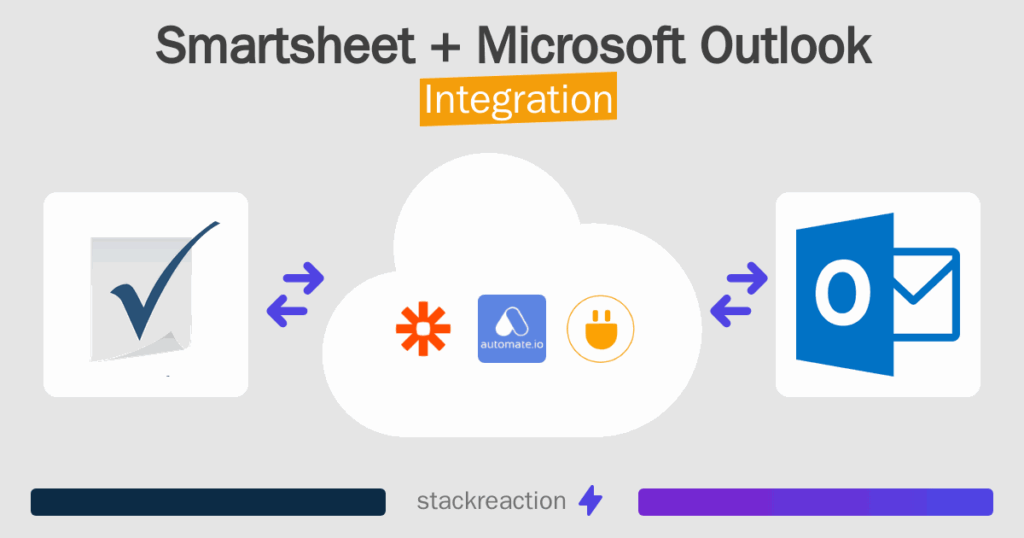
- Third-Party Integration Platforms: Platforms like Zapier, Workato, and Tray.io provide a no-code/low-code approach to integration, allowing you to connect various applications without extensive coding knowledge.
- Custom Integrations: For more complex integrations or specific requirements, you can develop custom integrations using APIs (Application Programming Interfaces). This requires technical expertise.
Consider your technical capabilities, budget, and the complexity of your integration needs when choosing the right method.
3. Select Your CRM and Smartsheet Accounts
Ensure you have active accounts with both your CRM and Smartsheet platforms. Verify that you have the necessary permissions and access to configure the integration.
4. Configure the Integration
Follow the specific instructions provided by your chosen integration method. This typically involves connecting your CRM and Smartsheet accounts, mapping data fields, and defining the workflows and triggers. For example, you might map the “Lead Name” field in your CRM to the “Project Name” field in Smartsheet.
5. Test the Integration
Thoroughly test the integration to ensure that data is flowing correctly and that workflows are functioning as expected. Create test records in your CRM and observe how they are reflected in Smartsheet. Identify and resolve any issues before deploying the integration to your entire team.
6. Train Your Team
Provide training to your team on how to use the integrated system. Explain how data is synchronized, how to access information, and how to utilize the new workflows. This will ensure that everyone is comfortable with the new system and can leverage its benefits effectively.
7. Monitor and Optimize
After the integration is live, continuously monitor its performance. Review data flow, identify any errors, and make adjustments as needed. Regularly assess your workflows and optimize them to further improve efficiency and productivity.
Choosing the Right Integration Platform
Selecting the right integration platform is crucial for a successful implementation. Here are some factors to consider:
- Ease of Use: Choose a platform that is user-friendly and easy to configure, especially if you don’t have extensive technical expertise.
- Features and Functionality: Ensure that the platform offers the features and functionality you need to meet your integration requirements.
- Pricing: Evaluate the pricing plans and choose a plan that aligns with your budget and usage needs.
- Customer Support: Consider the level of customer support provided by the platform. Reliable support can be invaluable if you encounter any issues.
- Compatibility: Verify that the platform is compatible with your specific CRM and Smartsheet platforms.
- Scalability: Choose a platform that can scale to accommodate your future needs as your business grows.
Real-World Examples: CRM Integration in Action
Let’s explore some real-world examples of how businesses are leveraging CRM integration with Smartsheet to achieve tangible results:
Example 1: Sales Team Efficiency
Scenario: A sales team uses Salesforce as their CRM and Smartsheet for project management. They integrated the two platforms to automate the creation of new projects in Smartsheet when a deal is closed in Salesforce.
Benefits: The sales team no longer needs to manually create project plans. Project managers receive immediate notification of new projects, allowing them to quickly allocate resources and kick off the project. This streamlined process saves time, reduces errors, and ensures that projects are initiated promptly.
Example 2: Marketing Campaign Management
Scenario: A marketing team uses HubSpot as their CRM and Smartsheet for managing marketing campaigns. They integrated the two platforms to automatically update the status of leads in Smartsheet based on their interactions with marketing campaigns in HubSpot.
Benefits: The marketing team can track the progress of leads through the sales funnel in real-time. Sales teams are immediately informed when a lead becomes sales-ready. This enhances collaboration between sales and marketing teams and improves the efficiency of lead nurturing processes.
Example 3: Customer Service Improvement
Scenario: A customer service team uses Zendesk as their CRM and Smartsheet for managing customer support requests. They integrated the two platforms to automatically create tasks in Smartsheet when a new support ticket is created in Zendesk.
Benefits: Support tickets are automatically assigned to the appropriate team members. The customer service team can track the progress of support requests and ensure that they are resolved promptly. This leads to improved customer satisfaction and reduces the time needed to resolve customer issues.
Troubleshooting Common Integration Challenges
While CRM integration with Smartsheet offers numerous benefits, you may encounter some challenges during the implementation or operation. Here are some common issues and how to address them:
- Data Mapping Errors: Incorrect data mapping can lead to data inconsistencies and errors. Double-check your data mappings to ensure that data fields are correctly linked between the CRM and Smartsheet.
- Workflow Issues: If your workflows are not functioning as expected, review the triggers, actions, and conditions you’ve set up. Ensure that they are configured correctly and that the necessary permissions are in place.
- Data Synchronization Delays: Data synchronization delays can occur due to various reasons, such as network issues or platform limitations. Monitor your integration logs and adjust your settings to optimize data synchronization.
- Security Concerns: Ensure that your integration is secure and that data is protected. Use secure connections, encrypt sensitive data, and implement appropriate access controls.
- API Rate Limits: Both CRM and Smartsheet platforms may have API rate limits that restrict the number of requests you can make within a certain timeframe. If you exceed these limits, your integration may experience delays or errors. Optimize your integration to minimize API calls and consider upgrading to a higher-tier plan if necessary.
Best Practices for Successful CRM Integration
To maximize the success of your CRM integration with Smartsheet, consider these best practices:
- Plan Thoroughly: Carefully plan your integration strategy, including defining your goals, selecting the appropriate integration method, and mapping data fields.
- Start Small: Begin with a pilot project or a limited scope to test the integration before rolling it out to your entire team.
- Test Rigorously: Thoroughly test the integration to ensure that data is flowing correctly and that workflows are functioning as expected.
- Document Everything: Document your integration process, including data mappings, workflows, and troubleshooting steps. This documentation will be valuable for future reference and maintenance.
- Provide Training: Train your team on how to use the integrated system and provide ongoing support.
- Monitor and Maintain: Continuously monitor the performance of the integration and make adjustments as needed. Regularly review your workflows and optimize them to improve efficiency.
- Stay Updated: Keep your CRM and Smartsheet platforms up to date to ensure compatibility and access to the latest features and security updates.
- Seek Expert Help: If you encounter complex integration challenges, don’t hesitate to seek help from integration specialists or consultants.
The Future of CRM and Smartsheet Integration
The integration of CRM and Smartsheet is constantly evolving, with new features and capabilities emerging regularly. As businesses increasingly rely on data-driven decision-making and automated workflows, we can expect to see further advancements in this area. Here are some trends to watch:
- Increased Automation: Expect more sophisticated automation capabilities, such as automated data enrichment, intelligent workflows, and predictive analytics.
- AI-Powered Insights: Artificial intelligence will play a bigger role in analyzing data and providing insights to improve decision-making.
- Enhanced User Experience: Integration platforms will continue to focus on user-friendliness and ease of use, making them accessible to a wider range of users.
- Improved Security: Security will remain a top priority, with more robust security features and data encryption methods.
- Integration with Other Tools: CRM and Smartsheet will integrate with an ever-expanding array of other business tools, creating a more seamless and interconnected ecosystem.
Conclusion: Unleash the Power of Integration
CRM integration with Smartsheet is a powerful strategy for transforming your workflow, improving efficiency, and driving business growth. By automating data synchronization, streamlining workflows, and providing a holistic view of your customer data, this integration can help you achieve significant gains in productivity, collaboration, and customer satisfaction. By following the steps outlined in this article, you can successfully implement this integration and unlock its full potential. Embrace the power of integration and take your business to the next level. This is more than just connecting two pieces of software; it’s about building a smarter, more efficient, and customer-centric organization.